• Home
  • About
    • Our Supporters
    • Corporate Support
    • The Hub
    • Why This Site?
    • Our Philosophy
    • The Challenges
    • Missed a Post?
  • The Basics
    • Historical Tradition >
      • Cave of Altamira
      • Tutankhamun's Tomb
      • The Bayeux Tapestry
      • Stations of the Cross
      • A Rake's Progress
    • Terminology >
      • Defining the Form
      • The Language of Comics
      • Filmic Language, Part 1
      • Filmic Language, Part 2
      • Language of the Gaze
    • A Rationale for Comics
    • Next Steps
    • Glen's Portfolio >
      • Boldprint
      • Timeline
      • The 10
      • Graphic Poetry
      • Boldprint Kids Graphic Readers
      • Boldprint Graphic Novels
      • Interface and ILit
      • Remix
      • Issues 21
      • Other Books
  • Graphica
    • Scholarship
    • Happening Now
    • Graphic Novels
    • About the Form
    • For Educators
  • Classroom
    • Activities >
      • Exemplars
    • Curriculum Connections >
      • Videos
      • PowerPoints
    • FAQ
    • Links
    • Support
  • Store
    • Codes
    • Go for the Pin!
  • Contact
COMICS IN EDUCATION
  • Home
  • About
    • Our Supporters
    • Corporate Support
    • The Hub
    • Why This Site?
    • Our Philosophy
    • The Challenges
    • Missed a Post?
  • The Basics
    • Historical Tradition >
      • Cave of Altamira
      • Tutankhamun's Tomb
      • The Bayeux Tapestry
      • Stations of the Cross
      • A Rake's Progress
    • Terminology >
      • Defining the Form
      • The Language of Comics
      • Filmic Language, Part 1
      • Filmic Language, Part 2
      • Language of the Gaze
    • A Rationale for Comics
    • Next Steps
    • Glen's Portfolio >
      • Boldprint
      • Timeline
      • The 10
      • Graphic Poetry
      • Boldprint Kids Graphic Readers
      • Boldprint Graphic Novels
      • Interface and ILit
      • Remix
      • Issues 21
      • Other Books
  • Graphica
    • Scholarship
    • Happening Now
    • Graphic Novels
    • About the Form
    • For Educators
  • Classroom
    • Activities >
      • Exemplars
    • Curriculum Connections >
      • Videos
      • PowerPoints
    • FAQ
    • Links
    • Support
  • Store
    • Codes
    • Go for the Pin!
  • Contact
COMICS IN EDUCATION
What's new?

Comics in Education Presents: A Variation on the "Cave Art" Activity

3/24/2014
by Glen Downey, Comics in Education, www.comicsineducation.com
Picture
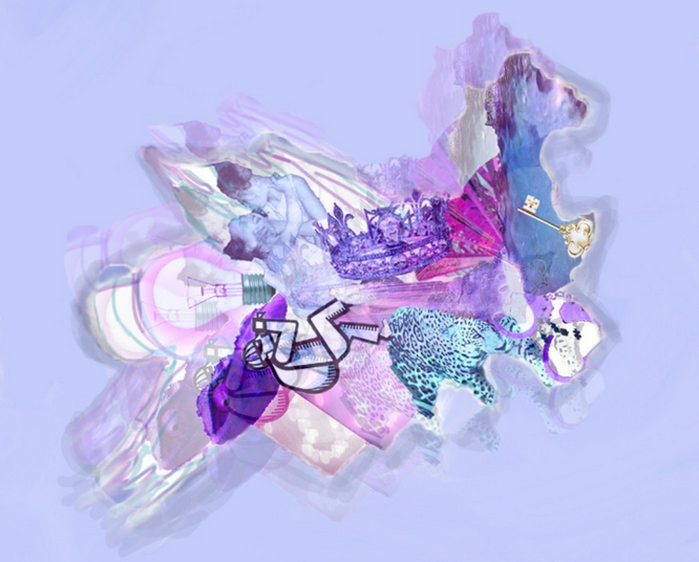
(c) 2013, Marwa Hamdy, All rights reserved. Reproduced by permission of the artist.

Activities Inspired by the Visual Can Yield Amazing Results

This one I just had to share with you. 


In the lead up to teaching Persepolis this year, I wanted to give my students as many opportunities as possible of working with the visual. If you read my blog post about the "Cave Art" activity, you'll recall that it required students to depict a day in their life, a challenging encounter, or their best moment on the planet, etc. as a cave art montage. In effect, the Cave Art activity is a kind of visual brainstorming about a moment in the student's own life. The above collage by Marwa is fantastic, looking like it sprang to life out of the Futurist movement in Western art.

There's a very cool variation on this activity that I alluded to last time. It has the following steps:

  1. The student takes about five or ten minutes to brainstorm a series of adjectives that describe him or her. They can do this on their own.
  2. Now--as a Think, Pair, Share activity--students are put into partnership to whittle their lists of adjectives down to ten. The partner can be useful in saying things like "Well, I think your kindness is a more important feature of your character than your shyness, so I would keep 'kind' and get rid of 'shy,'" for example. Once they have shared with a partner, things can be redirected into a class discussion about how easy or how difficult it was for the students to come with their lists.
  3. The second part of the activity is not terribly challenging, but it must be conscientiously done. The student should identify a living or non-living thing that comes to mind when they think of each of the adjectives. If the student thinks "loving" is a characteristic he or she has, then a heart or similar symbol might be chosen. Once students have their ten items, they go on to step 4.
  4. In this step, the students must produce a collage of the items they chose, whether by hand or using technology. Their goal is to attempt to render the items in such a way that the items visually represent them.
  5. When the collages are completed, students take turns presenting them, ultimately addressing the question of whether or not they feel the final piece does or does not represent them. They then submit a reflection piece that describes the process they went through in putting the assignment together.

What are some neat results?

Perhaps the coolest thing about the activity is that regardless of whether they feel their collage does or does not represent them, the students are really only tasked with making a judgment and defending it. It's not a failure if it doesn't represent them nor is it an overwhelming success if it does. However, when I did this with my students this year there were some unexpected insights that resulted, one of which came from a student who suggested that although his collage didn't represent him, what did was the process he went through to put it together. These are the kinds of insights we want from our students.

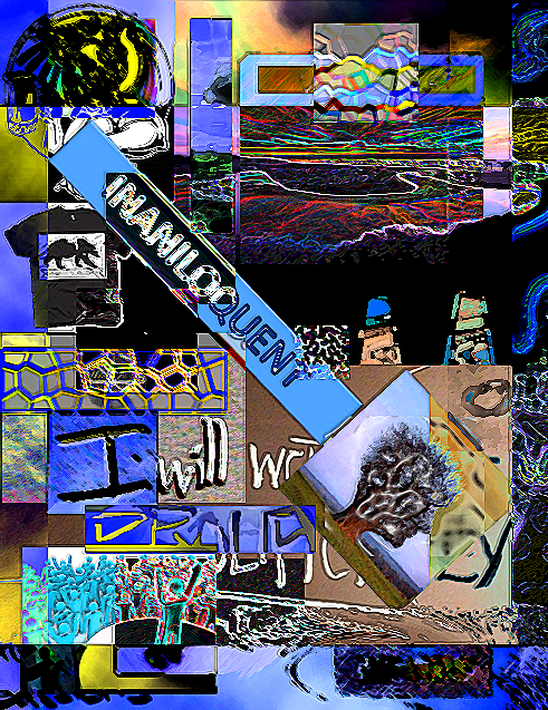
As a side note, I did my own collage to see what I would come up with. The result is below:
Picture

As this site grows and develops, I guess you'll be the best judge as to whether or not this represents me. It's just crazy enough that it might...

0 Comments

Your comment will be posted after it is approved.


Leave a Reply.

    Follow @teachingcomics

    our  store
    our codes
    navigation
    contact us

    Picture

    Glen Downey

    Dr. Glen Downey is an award-winning children's author, educator, and academic from Oakville, Ontario. He works as a children's writer for Rubicon Publishing, a reviewer for PW Comics World, an editor for the Sequart Organization, and serves as the Chair of English and Drama at The York School in Toronto.

    Picture

    If you've found this site useful and would like to donate to Comics in Education, we'd really appreciate the support!
    Picture

    Comics in Education

    Archives

    February 2019
    September 2018
    June 2018
    March 2018
    April 2017
    November 2016
    May 2016
    April 2016
    February 2016
    September 2015
    August 2015
    May 2015
    April 2015
    March 2015
    February 2015
    December 2014
    November 2014
    October 2014
    September 2014
    August 2014
    June 2014
    May 2014
    April 2014
    March 2014


    RSS Feed

Powered by Create your own unique website with customizable templates.